
What to Wear on a Golden Circle Tour
Pack layers and sturdy footwear for Golden Circle walks, waiting and spray. Separate sightseeing clothes from the exact equipment list for a booked activity.
For a Golden Circle tour in Iceland, what to wear depends on the time outside the vehicle. You will walk at Þingvellir, wait near hot springs and stand at waterfall views. Choose clothes for those stops, not only for the warm seat between them. Keep a dry spare layer where you can reach it.
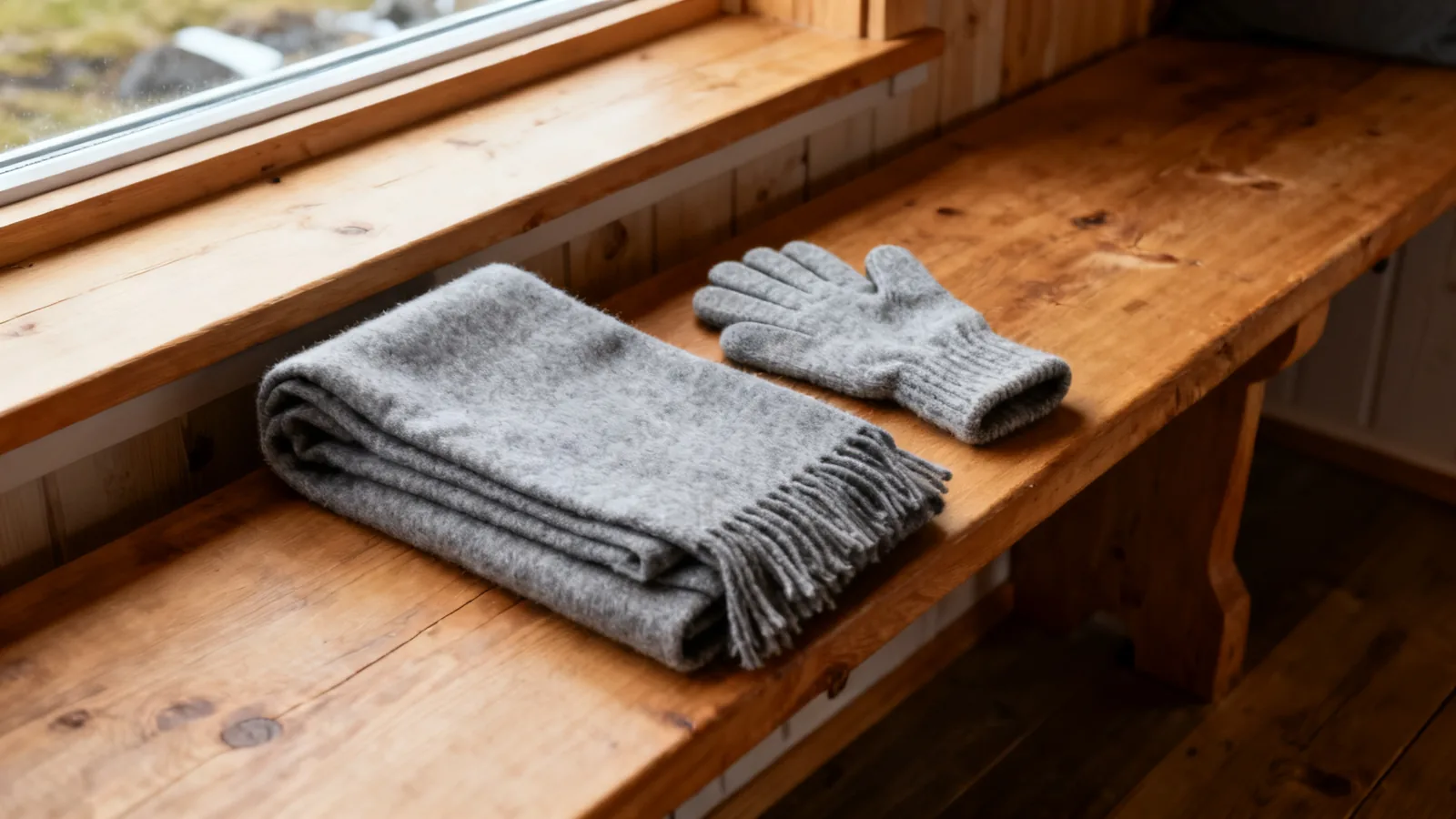
Wear layers that let you adjust warmth, with an outer layer suited to wind and rain. Choose sturdy shoes for uneven visitor paths and the actual conditions. Keep gloves and a hat handy for stops. A sightseeing tour normally expects you to bring your own clothes; specialist activity gear has a separate supplier list and does not replace the clothing needed for the rest of the day.
Sources checked: 15 October 2026. The Arctic Adventures afternoon tour asks for warm layers and weatherproof clothing with sturdy footwear. Mountaineers' combined tour also asks for waterproof outerwear. Check the Met Office forecast and SafeTravel for the date.
Golden Circle tour Iceland: what to wear for each part of the day
The same clothes must work through different levels of effort. You may warm up while walking uphill at Þingvellir, cool down while waiting at Geysir and meet spray at Gullfoss. Layers let you respond without changing the whole outfit. Avoid a plan that works only while you keep moving.
Start with a base layer you can wear comfortably during the ride. Add a warm middle layer. Finish with an outer layer chosen for the forecast. These are clothing functions rather than a shopping list for a named brand. Use gear that fits and that you know how to adjust.
Keep warmth separate from weather protection
A thick garment can be warm without stopping rain. A waterproof shell can keep water out while supplying little warmth by itself. Read what your existing clothes do before deciding what is missing. The useful combination is more specific than “bring a good jacket.”
Check the closure and hood at home. You should be able to put the hood up and fasten the jacket with the layers underneath. A sleeve that rides up or a hood that blocks your view can become annoying at every stop. Fit matters as much as the label.
Footwear for Þingvellir paths and Gullfoss views
Choose footwear for marked paths with uneven or wet sections. A short distance can still include steps and slopes. The supplier's easy rating describes the broad tour, not every person's footing on the day. Use shoes you have already worn, rather than discover pressure points during the park walk.
Check the soles and how the shoe closes. A loose fit can be awkward on steps; a wet sock can make the next stop unpleasant. Keep spare socks reachable if your shoes get soaked. The vehicle is a place to travel between stops, not a guarantee that wet clothing will dry before you get out again.
Seasonal traction advice belongs to the exact trip
Arctic's checked afternoon product lists shoe spike grips for October through April. That is the supplier's seasonal advice, checked October 2026. Ask about the actual path conditions and the gear it expects guests to bring. Do not infer that a grip makes every icy slope suitable.
Practice fitting any traction device before the trip. Follow its instructions and remove it where the owner or guide requires. If you cannot use a specific route with confidence, choose a shorter open path. Gear does not make a closed trail available.
A wind-and-rain checklist for the route stops
Keep the outer layer within reach before the first stop. If it is buried under luggage, you may leave it behind for what looks like a brief walk. The return can take longer than expected. Dress for the stop before you step away from the vehicle.
- Outer layer: A jacket suited to the forecast, with a hood you can use.
- Legs: A plan for rain and spray, not only a warm upper body.
- Middle layer: Warmth that fits beneath the outer shell.
- Hands: Gloves ready for waiting and exposed views.
- Head: A hat that works with the jacket hood.
- Feet: Worn-in sturdy shoes and a dry spare pair of socks.
- Carry bag: A practical way to keep spare clothes dry.
Do not leave the stop with every warm item on just because the vehicle felt cold at pickup. Adjust layers to the walk and conditions. If you become too warm on a climb, slow down or adjust before the next long wait. The goal is a manageable day, not the maximum number of garments worn at once.
Use a small reachable bag
Put the items needed at each stop in the bag you can take out easily. Keep your phone and booking details protected from rain. A full suitcase in vehicle storage is not a convenient source of gloves when the group is already walking away.
Check the tour's luggage rules before arriving with bags. A day-tour seat does not necessarily include space for travel luggage. If you are changing hotels, give the supplier the bag sizes and final destination. Clothing preparation should not depend on storage that was never agreed.
Summer layers for the Golden Circle
A bright forecast is not a reason to leave the outer layer behind. The operator lists weatherproof clothing for the route, rather than restricting that advice to winter. Keep a light warm layer available for standing still. A warm ride can give a misleading impression of the next exposed stop.
Choose what you will actually carry. A useful layer in a bag is better than a bulky item you leave behind. If the day is dry, you may not use everything. That does not mean the preparation was wasted; it means the spare clothes remained a spare.
A long bright day can still be tiring
Comfort includes the length of the outing. Clothes that feel fine for a quick town walk may rub after repeated boarding and long periods seated. Test the fit while sitting as well as standing. Keep the outfit practical for both the ride and the marked walks.
Do not fill the day with extra stops just because it stays light. Food, rest and a dry return still matter. Use the Golden Circle route guide to keep the visit focused on the main places. An overfull schedule cannot be fixed with a better coat.
Winter clothing for the route
Winter brings a greater need to think about waiting as well as walking. Keep hands and head covered when the conditions call for it. Give the outer layer enough room for warmth beneath it. Tight clothing can be uncomfortable during a long seated journey.
Use the winter Golden Circle guide to decide whether the route works at all. Clothing is only one part of the plan. Road conditions and available light can require a shorter day even when everyone is well dressed.
Pack dry spares for the return
A spare layer is useful only if it stays dry and can be reached. Separate it from damp clothing. Check whether the vehicle has any rule about wet boots or traction gear. Give yourself a moment to put things away without holding up the whole group.
If someone becomes too cold to enjoy a stop, shorten the walk and tell the guide where relevant. Do not leave the group's agreed route without making the meeting plan clear. A smaller open view can be the better visit than pushing on simply because the clothes looked adequate at departure.
Specialist activity gear is a separate list
Silfra and snowmobile products have gear and guest terms beyond an ordinary sightseeing day. Read the exact operator's list. A photo of a suit does not prove that it fits you or is supplied for every variant. Confirm size and underlayer requirements before booking.
The Silfra suit comparison explains why a dry-suit listing needs more than a generic warm-clothes instruction. The snowmobile comparison separates supplied activity gear from clothes for the rest of the route.
Do not use activity clothing to cover the whole day
A glacier operator may issue gear at its base after the sightseeing leg. You still need suitable clothes at pickup and the earlier stops. Keep the underlayers it asks for ready. Do not expect the vehicle to make an unscheduled return to your hotel for an item you omitted.
The same goes for spare clothes after a water activity. Follow the named supplier's instructions about what to wear underneath and what to bring afterward. A generic article cannot replace the fit check or participation forms attached to a specific product.
Check what the operator actually supplies
Read the included list and the bring list side by side. A guide and transport do not imply rental coats or boots. If a supplier rents an item, check whether it needs advance booking and whether the size you require is available. Do not assume a spare will appear on the day.
For a rural stay, confirm where you can dry wet clothes. Compare Golden Circle hotel bases by room and arrival needs. A guest room is not automatically an gear drying room. Ask about the property arrangement if a wet activity is central to the trip.
Keep the holiday length in view
For a regional day, a compact set of practical layers can be enough. For a wider circuit, repeated wet days and laundry become another planning task. Our Golden Circle versus Ring Road comparison explains why a whole-country drive needs a different time and packing plan.
Do not buy specialist gear solely to satisfy a long generic checklist. First read the actual activity and transport instructions. Then check what you own and what fits. A focused list tied to the stops is easier to use than a bag full of items with no clear job.
Frequently asked questions
Can you wear ordinary trainers?
Judge them against the forecast and the actual paths. Suppliers ask for sturdy shoes, and some visitor routes have wet or uneven sections. A smooth sole or shoes that soak through may be a poor match. Check the exact tour's seasonal guidance and use footwear you have already walked in comfortably.
Do you need winter clothes in summer?
You need clothes suited to the expected stops and forecast, with a warm layer and weather protection available. That does not mean wearing the heaviest winter outfit all day. Separate warmth from rain protection and adjust layers. An exposed wait can feel different from a warm vehicle even during a brighter season.
Does the sightseeing operator provide rain gear?
Do not assume it does. The compared sightseeing pages list clothes among the items guests bring. Read your ticket's inclusion and bring lists together. If rental clothing is stated, confirm the item and size in advance. A guide wearing a branded jacket in a photo does not establish a coat for every guest.
Does a snowmobile suit replace the clothes underneath?
Follow the exact operator's underlayer and footwear instructions. Supplied activity gear serves that stage, often after a transfer to the base. You still need clothes for sightseeing and waiting before fitting. Ask about sizes and any separate rental needs before booking rather than treat the gear photograph as a complete packing plan.
Verdict: Golden Circle tour Iceland, what to wear
For a Golden Circle tour in Iceland, what to wear is a stop-by-stop decision. Use adjustable layers and weather protection, with sturdy footwear for the chosen paths. Keep warm small items and dry spares reachable. Read specialist activity lists separately, then let the current forecast guide the final bag.