
Silfra Snorkeling in Winter
Plan winter Silfra snorkeling around guest requirements, current roads and time on land. Check the exact departure, gear and changing arrangements.

Silfra snorkeling in winter needs two plans: the booked water activity and the journey around it. The checked operators describe year-round tours, while the park describes cold water of about 2–4°C. Winter changes the time on land and the road decision. A live departure page is not a promise that every date or route will work.
TL;DR: Confirm the exact departure, guest requirements and transport. Pack for fitting and waiting on land as well as the water. Recheck roads near the visit and keep the rest of the day flexible enough for the booked activity.
Last fact checked: 14 October 2026. This is winter planning guidance from the park and named operators. It is not a live road report or a guarantee of an open departure.
Silfra snorkeling winter: water and land differ
The park's activity rules describe cold water of about 2–4°C. Summer air does not turn Silfra into a warm-water swim. A dry suit serves the water activity. Do not assume it makes the whole day feel like an indoor visit.
Your time outside includes arrival, the walk from parking and the period before entry. There is also the return and changing afterward. The booked gear serves the water activity, while your own outdoor clothing serves those other parts. Keep both in the packing plan.
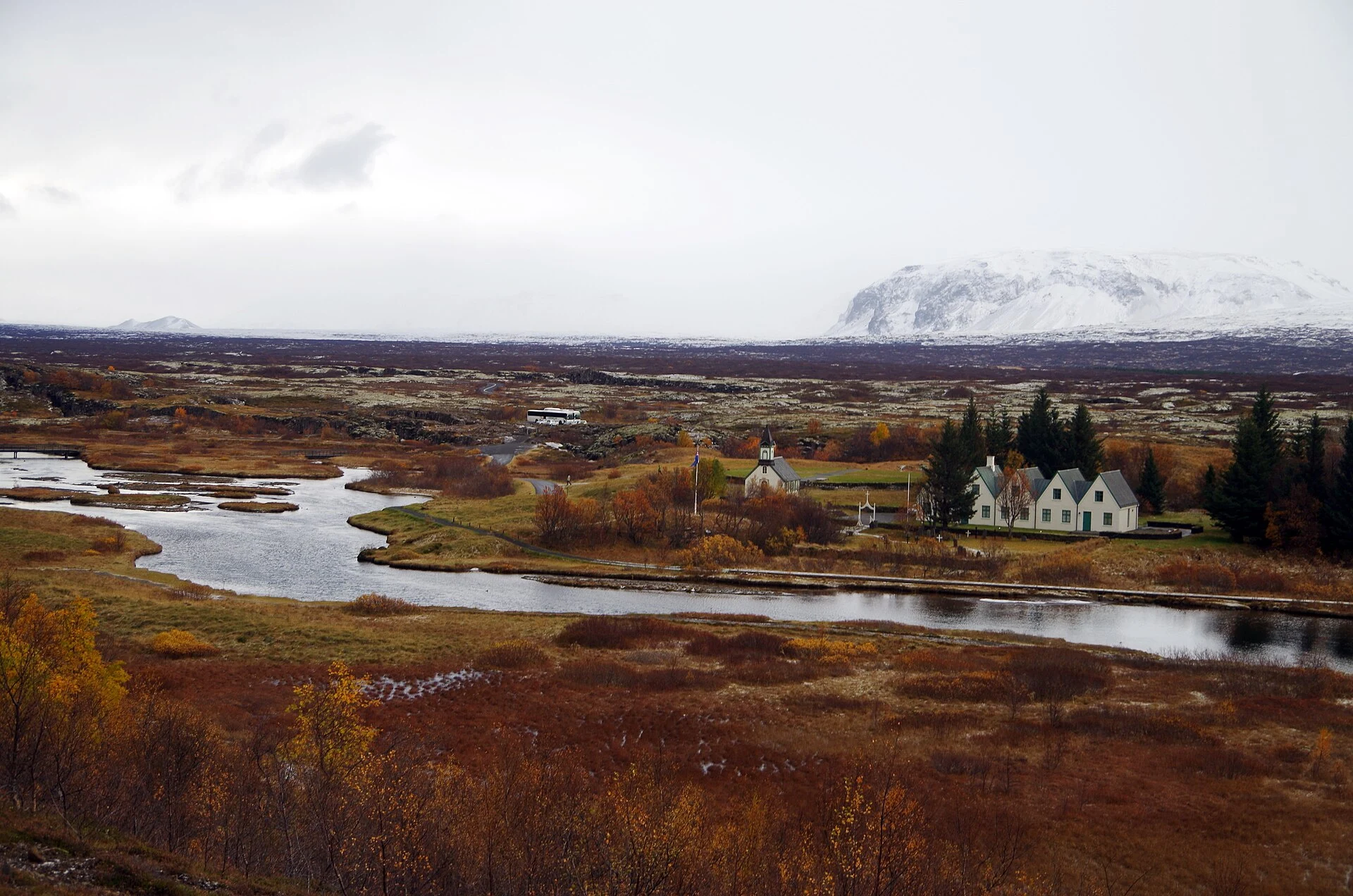
Read current conditions rather than trying to reproduce a photograph. A snow-covered image can show a past visit without proving today's route is open. A clear image with no snow cannot prove mild weather on your date. The generated scene on this page is only a planning illustration.
Comfort also varies by guest. Ask the operator about the actual clothing system and fit before booking. Do not rely on a description that calls the activity easy. That label does not predict how you will feel in tight gear or cold outdoor water.
Silfra snorkeling winter: check the selected departure
DIVE.IS's snorkeling day tour describes year-round operation. Arctic's Silfra overview and Tröll's private product also describe year-round formats. Those statements make winter an enquiry option. They do not confirm space on a particular date.
Open the exact product you want. Check whether its winter choice is self-arrival, transfer or a combined day. A supplier may offer several formats. Its calendar may show different choices on different dates. Keep the selected option with the confirmation so your arrival plan matches it.
Ask about any minimum number needed for pickup. DIVE.IS's checked snorkeling page gives conflicting transfer minimums in different sections. Resolve the actual option with the company if transport is essential. Do not build a winter plan around the smaller number as if it were settled.
If you are choosing a private format, confirm whether the quote includes transport. Tröll describes transfer as an extra on the checked private product. Private group and private pickup are different questions. Ask both before comparing the total with a shared product.
The tour comparison explains those format differences. Use it after the guests' requirements are resolved. A date that fits the calendar still has guest conditions. Each person must meet the age and fit rules, then complete the required forms.
Transport and current road conditions
Check Umferðin's official road information and SafeTravel near the journey. SafeTravel is run by Iceland's search-and-rescue association. Its advice notes that weather and road conditions can change quickly. Use the latest information for the journey. A planning guide cannot replace it.
Use the road information for the route you will actually take. A general “Golden Circle” label does not identify every road leg. You may start at a rural hotel. That can mean a different approach from a Reykjavík start. Check the connection between the property and the booked meeting point.
Treat a summer driving estimate as context rather than a winter deadline. Leave room for the current conditions and permitted route. If you cannot reach the meeting point under those conditions, contact the operator. Do not infer that a paid ticket authorises a risky or closed road choice.
Pickup changes who handles the park road leg. It does not remove the need to reach the correct city stop or check the operator's message. Confirm the pickup window and any route changes before leaving your accommodation. A late walk to the stop can cause a problem before the tour reaches the park.
For either format, keep the return in view. A plan that reaches Silfra but leaves no room for the road home is incomplete. Ask about the expected full day and read its stated limits. Do not attach a tight onward connection to a broad activity estimate.
Arrival includes parking and a walk
For the named self-arrival examples, guest parking is separate from the company meeting area. DIVE.IS directs cars to P5 and asks guests to walk to its meeting point. The operators' area is not private guest parking just because it is closer to the activity.
Use the meeting-point guide for the supplier's own map links and the tasks they serve. Recheck your confirmation as well. It controls the correct company and check-in time for your booking.
Plan winter footwear and outdoor layers for the walk. Ask about any route concern that affects your party. A broad parking map does not certify the surface or steps. It does not assess your access needs that day either. Follow current signs and staff directions if they differ from an older picture.
Read the product's early-arrival instruction. It is a check-in requirement, not spare time you can spend sightseeing. Plan backward from it, including the walk after parking. You may reach the park entrance at the estimated time. That is not the same as checking in with the guide.
If you want to see the assembly grounds first, set a clear point to leave for check-in. A few photo stops can use more time than expected. On a winter day, a focused land visit can be easier to place. A long list depends on each step running to plan.
Equipment and what you bring
The checked guided products describe dry-suit snorkeling gear. The suit comparison explains the distinction between that product evidence and the park's permitted suit types. The park allows suitable wetsuits for snorkeling. That does not mean your operator supplies one.
Read the operator's underlayer instructions. DIVE.IS's equipment page describes a supplied insulating garment and asks guests for comfortable warm clothing beneath it. Its advice discourages jeans. Use the actual product's latest packing list.
Keep those base clothes separate in your mind from the jacket worn on land. You may need to remove outer items when the gear is fitted. Ask how guests prepare so you can arrive dressed as instructed. Do not assume the guide supplies everything you wear all day.
Bring spare clothing as instructed. A dry suit is designed to keep the body dry, but some water entry is possible. Hands and parts of the face can get wet too. A label cannot promise complete dryness or warmth for every guest.
Check the size chart early. Height and weight limits do not guarantee individual fit. Tell the operator if you are near a boundary or have a concern about tight gear. Give it time to explain what it needs before the winter journey.
Changing and waiting on land
DIVE.IS describes a heated changing van for its checked product. That is useful evidence when comparing winter formats. It does not establish a public heated room for everyone at Silfra. Ask another operator what facilities its selected tour uses.
Arctic's FAQ lists toilets at the site. It advises against using them to change because of queues. A toilet listing does not answer all your changing needs. Follow the supplier's instructions for base layers before arrival and clothing afterward.
Ask where bags remain during the activity. Find out which items should stay in the car and which are needed at check-in. Keep forms available while fitting is being arranged. Avoid leaving them in a locked vehicle when the guide is ready to check them.
If anyone waits on land, plan for them separately. Ask where they may wait and what facilities are actually available. Do not assume the operator provides a heated waiting place or supervision for non-participants. That can matter as much as the gear choice for a family.
Plan food and other facilities around their own current hours. Do not infer a late winter opening from a general park service description. A snack after the activity, if included, is not a full-day meal plan. Check the actual business if you depend on one.
Guest checks still apply in winter
Winter operation does not relax the guest requirements. Read the exact age wording and size chart. Confirm swimming ability and the need to understand instructions. A seasonal product can still decline a guest who does not meet its conditions.
Use the age-limit guide for the checked source differences. It separates a normal age minimum from a younger-child enquiry. Private booking does not guarantee an exception or remove the adult rule.
Complete the required form before the trip. Some answers require a further step through the operator's stated process. This article cannot decide medical eligibility. Ask through that process rather than assuming that warm layers solve every participation issue.
If you have a concern about cold water or restricted movement, raise it before choosing the date. The operator needs to explain the actual equipment and activity. A guest who is unsure should have room to choose a land visit. The rest of the itinerary should not force that choice.
Photos and the view you may get
Winter images can be a reason to enquire, but they are not a package inclusion. Snow, cloud and the sun's angle differ between visits. Choose the water activity itself rather than a promise to recreate one image from a sales page.
Check whether tour photographs are included. The named products differ. DIVE.IS describes a separate photo purchase. Arctic lists photos, while its FAQ notes they cannot be guaranteed. Read the selected package's current terms.
Do not add photography tasks that interfere with the briefing or group route. Ask the operator about its camera policy if that matters to you. The guide must handle the activity first. A paid booking does not guarantee a particular pose, section or moment.
Keep captions honest if you share older images afterward. Name Silfra and the capture date where useful. Do not present a photograph as current route evidence for someone planning a different season. A picture documents a view, while the park and operator provide current access information.
Leave room in the rest of the day
Use the supplier's whole-visit estimate, not just water time. Fitting and briefing take place before entry. Walking and changing follow it. A transfer adds its own start and return. Those parts matter when choosing another booked stop.
If the main reason for the park visit is history, give the assembly grounds their own time. The park overview can help choose one land route. Do not treat a quick walk between an activity and the car as the whole history visit.
For a wider Golden Circle day, ask which stops the product includes. Check how the selected format uses its time. Geysir and Gullfoss are separate visitor areas. Their paths and services need current checks too. A route name is not a promise that every lower path or building will be open.
An overnight base may help make the day less rushed. Use the hotel guide to compare actual locations and road links. Do not choose a rural stay solely because it looks close on a small map. Meals and arrival arrangements also need a check.
Cancellation and questions to ask
Write down which journey you have booked
Put the transport choice beside the start time in your notes. A self-drive booking needs the park meeting point. A city transfer needs the named pickup place and the supplier's pickup window. Keep the return details on the same note. These are two distinct formats even when the water activity has the same name.
Share that note with each guest before the day. If someone books a separate ride, check that it reaches the right meeting point at the right time. Do not use the water-entry time as the time to reach the car park.
Read the exact terms before paying. An operator cancellation due to conditions is different from your own decision not to travel. Late arrival or incomplete forms can be treated differently again. Ask what applies to the selected product rather than borrowing a rule from another company.
Tröll's private page describes a process for operator cancellations and separate customer change terms. Keep the actual terms with the confirmation. A general refund statement does not tell you what happens to a different activity or transfer bought elsewhere.
If you have another date available, ask whether changing is possible and under what conditions. A spare day can create an option, but no space on it is promised. Decide whether your wider trip could absorb that change before choosing a package.
Check how the company will contact you if the plan changes. Keep the supplied contact details available and read messages before setting out. A departure calendar seen days earlier is not the final message for the morning of travel.
If a road issue develops, contact the operator promptly. Explain the booked product and your transport format. Do not assume it can move the start, send a vehicle or guarantee a refund. It needs to explain the options for that actual event.
Keep the plan for the person driving separate from the gear list. That person still needs time to change and be ready for the road after the activity. If pickup is included, check the return place and what happens to spare bags. Do not place a fixed onward booking right after the stated water time. Use the full visit window.
Frequently asked questions
Do Silfra tours run in winter?
The checked operators describe year-round formats. Check the exact date and option. That statement does not guarantee availability or that every departure proceeds under changing conditions.
Is the water warmer in summer?
The park describes about 2–4°C cold water. Do not use the season on land as a promise of warm water. Choose by the actual activity and equipment conditions.
Does pickup solve all weather concerns?
It handles the booked road leg, but current conditions and operator decisions still matter. You must reach the stated pickup point. Read the latest message and keep the return plan flexible enough for the selected itinerary.
Will there be a warm changing room?
Ask the selected operator. DIVE.IS describes a heated changing van for its checked product. That does not prove every supplier uses the same facility or provides indoor waiting space for non-participants.
Verdict on Silfra snorkeling winter
Plan Silfra snorkeling winter around the exact booked format and the current journey. Confirm guest fit and forms, dress for the time on land and leave room for the full activity. Recheck conditions and changes before setting out. The Silfra snorkeling guide helps compare the named choices after those tasks are clear.
Use Silfra dive or snorkel to compare the rules. Then choose how to reach the park.