
Silfra Snorkeling: Wetsuit vs Drysuit
This page contains affiliate links to Trip.com: we earn a commission if you buy through one, at no extra cost to you.
Compare Silfra suit rules with the gear operators actually supply. Check fit, underlayers and changing facilities before choosing the product.
Permission and documented products
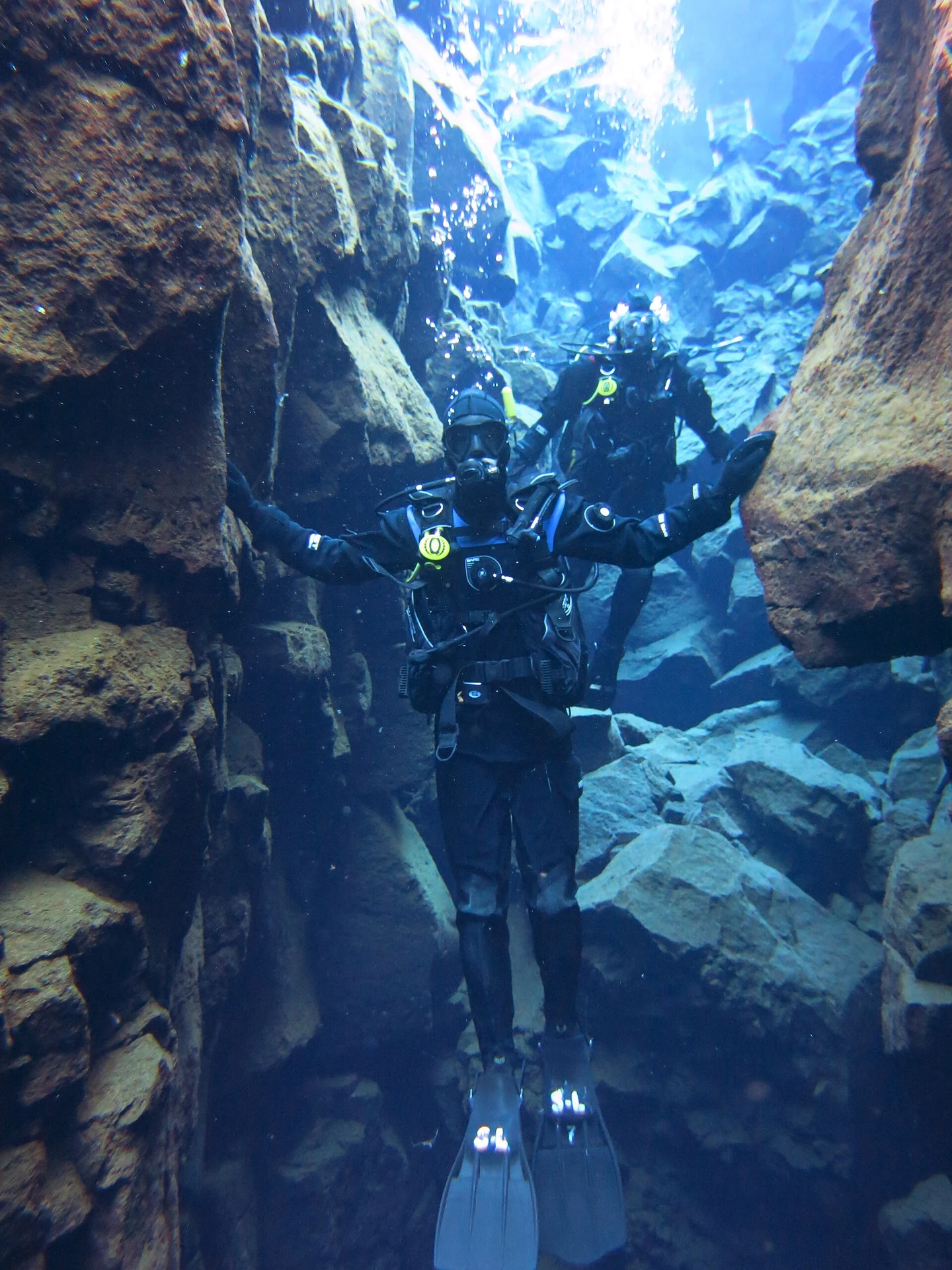
The park requires dry suits for scuba divers and permits suitable thick fitted wetsuits for snorkelers. The checked guided products describe dry suits. Permission does not prove that a wetsuit product is available.
Suit types and the booking enquiry
Question: Purpose
- Dry-suit products
- Keep water off the body; layers provide warmth
- Wetsuit enquiry
- Wet contact; suit must be suitable and fit
Question: Evidence established
- Dry-suit products
- Checked suppliers describe this gear
- Wetsuit enquiry
- Park permits suitable thick fitted wetsuits for snorkeling
Question: Evidence not established
- Dry-suit products
- Complete dryness, warmth or individual fit
- Wetsuit enquiry
- Current named product available for your date
Question: Next check
- Dry-suit products
- Gear list, chart and underlayers
- Wetsuit enquiry
- Actual availability and participation terms
Official park rules and operator equipment descriptions · · © thingvellirnationalpark.com.
Check a Silfra drysuit snorkeling product on Trip.com
- Best for
- Guests considering the drysuit option after resolving fit and guest conditions
- Trade-off
- This listing describes drysuit snorkeling; it does not offer a wetsuit-versus-drysuit selector

For Silfra snorkeling, wetsuit vs drysuit is first a question about the booked product. The park allows a suitable thick, well-fitting wetsuit for snorkelers but requires a dry suit for scuba divers. The checked snorkeling choices describe dry suits. Permission for a wetsuit does not prove a supplier offers one on your date.
TL;DR: Start with the operator's supplied gear and fit rules. A dry suit aims to keep the body dry; layers beneath it provide warmth. Hands and parts of the face can still get wet. Confirm any wetsuit option before planning around it.
Last fact checked: 14 October 2026. This comparison uses park rules and operators' equipment pages. It is not a personal suit test or a promise of warmth.
Silfra snorkeling wetsuit vs drysuit: the basic difference
A dry suit is designed to keep water away from the body. The clothing beneath it is part of the thermal system. A wetsuit does not aim to keep the skin dry in the same way. Fit helps limit water flow through it. These are different kinds of protection, not interchangeable labels for ordinary swimwear.
Divers Alert Network explains the importance of fit in its wetsuit account and the role of layers in its dry-suit guidance. That explains the basic distinction. It does not choose a Silfra tour or tell a particular guest what gear is suitable.
For the visit, use the operator's instructions about the actual system it supplies. A general gear article cannot assess its suit size or replace the guide's fit check. The suit and underlayers need to work together on the guest who will wear them.
The wide reference record above preserves these comparisons in a separate reading area.
Checked 14 October 2026. The table compares evidence and enquiry tasks. It does not rank suit models or assign a comfort score.
The park rule differs for snorkeling and scuba
The park's English rules require full gear suitable for cold water. Its suit rule is specific: divers must use a dry suit. Snorkelers may also use a suitable fitting, thick wetsuit. Exposure protection includes more than the suit alone.
Do not turn the diving rule into a statement that all snorkeling wetsuits are banned. That would misread the source. Do not turn the snorkeling permission into approval for any suit you own either. The source includes suitability and fit, not just a garment name.
The distinction matters if a group is comparing activities. A scuba choice brings certification and dry-suit experience requirements as well as the equipment rule. A snorkel booking has its own operator conditions. Switching activity is not a way to avoid questions about fit or ability.
This guide does not teach how to use either system. The operator must fit its gear and give the activity briefing. If you intend an independent visit, the park's permit and equipment rules require a separate direct check. A comparison page is not an independent water plan.
What the checked snorkeling products supply
DIVE.IS describes its dry-suit system in an equipment guide. It supplies an insulating garment beneath the suit and asks guests to bring their own base clothing. Its guide notes that a suit can restrict movement.
Arctic's current Silfra overview and Tröll's private product also describe dry-suit gear. Those sources let us compare booking formats in the Silfra snorkeling guide. They do not establish a wetsuit choice from those companies for the date you want.
Ask about the product rather than the company in general. A supplier can operate more than one format or change its gear. If a listing says “all equipment”, get the detail that matters to you. Find out what suit is supplied and what you must wear beneath it.
Do not use an older visitor story as proof of current gear. It may describe a real past visit without matching today's product. The same applies to a promotional photograph. A visible suit in a photo does not confirm its availability or fit for a guest now.
Underlayers and the time on land
Follow the booked operator's list for base layers and socks. DIVE.IS suggests comfortable warm clothing beneath its supplied insulating layer and discourages jeans. Its equipment page is the source for that advice. Read the selected tour's current message in case its instructions differ.
Pack spare clothes as instructed. Arctic's FAQ and the checked Tröll product both note that some water can enter a dry suit. The name describes its purpose, not an absolute guarantee. A change of clothes can also be useful if items get damp while changing on land.
Keep outdoor layers handy for the wait and walks. Gear that serves the water session does not remove the need to dress for the day outside it. Ask where bags stay while you are in the activity and which items you should bring to the meeting point.
Changing arrangements also vary by product. DIVE.IS describes a heated changing van. Do not assume every operator provides that facility. Ask how its guests prepare and change afterward. A small public toilet is not the same as a changing room included with your booking.
Hands, face and comfort
Dry-suit snorkeling does not mean every part of the body stays out of the water. DIVE.IS describes neoprene hood and gloves that are not waterproof. Guests should expect wet hands and some exposed face. Do not choose the product on a promise that no cold water will touch you.
Comfort is personal. A garment may fit the chart yet feel tight at the neck or limit movement. Tell the operator in advance if that is a concern. During fitting, tell the guide rather than trying to change seals or adjust unfamiliar equipment yourself.
Swimming ability remains a separate condition. A dry suit can be buoyant, but the checked operators still require guests to swim. Do not use a suit's flotation as a reason to book someone who cannot meet the stated requirement.
There is no source-backed comfort score here. The useful comparison is between what the system is designed to do, what the operator supplies and what you need checked. Claims that one suit makes all guests warm would go beyond that evidence.
Fit matters more than the label
Use the exact operator's size chart. Published height and weight limits differ between the checked products. A guest within a broad range may still need an individual fit check. Give accurate measurements and ask about any boundary before the visit.
A child must meet the age rule as well as the size limits. A wetsuit enquiry is not a route around the operator's age rule. The age-limit guide explains the wording conflicts and adult arrangements that need their own answer.
For an adult, read the required form as well as the chart. This page cannot decide whether you can take part. A concern about tight gear should be raised through the operator's stated process. Do not assume that choosing another suit removes a form requirement.
If the available gear does not fit, ask how the product handles that outcome. Do this before booking other plans around it. A fit refusal and an operator weather cancellation may have different terms. The garment name does not tell you what refund applies.
Silfra snorkeling wetsuit vs drysuit: how we compared
We used the park for permission and the suppliers for the gear they describe. We then separated a permitted suit type from a product we could verify. This is a source review, not a test of suit models or a record of personal cold-water experience.
For a visitor choosing among the checked guided formats, our first enquiry would be a dry-suit product with clear fit and underlayer instructions. That judgment follows the available product evidence. It does not establish that a wetsuit is wrong for every snorkeler.
A visitor who specifically wants a wetsuit should confirm a current product first. Ask the operator about the actual suit, the rest of the protection and its participation conditions. Compare the whole booking after that answer. Do not pay for a dry-suit listing while hoping for a different option at check-in.
Questions to ask before choosing
Ask what suit the selected option supplies and what clothing you bring. Ask how the operator checks fit, where guests change and how belongings are held. Keep those answers with the confirmation rather than relying on a broad equipment promise.
If you want a wetsuit, state that clearly. Ask whether it is an actual available product for your date. A reply that the park permits wetsuits does not answer availability. A reply about a past tour does not answer the current booking either.
Then check arrival and the full activity length. The meeting-point guide separates P5 parking from the guide area. Decide whether self-arrival or pickup fits the rest of your park day after you have resolved the gear question.
Frequently asked questions
Are wetsuits prohibited at Silfra?
The park requires dry suits for divers but permits suitable thick, fitted wetsuits for snorkelers. That does not approve any particular garment or establish a tour that supplies one. Read the park rules and the booked operator's terms together.
Will a dry suit keep me completely dry?
It is designed to keep the body dry, but the checked suppliers acknowledge possible water entry. Hands and parts of the face can get wet by design. Pack the spare clothing specified by the operator and avoid a complete-dryness promise.
Can I bring my own gear?
Ask the operator about its actual policy. DIVE.IS's equipment page asks guests to use its supplied gear. A personal suit or mask is not automatically accepted because it worked on another trip.
Which is best for my visit?
Begin with the actual product and fit. Read its instructions too. Compare the named snorkeling formats after those checks. If the gear or participation rules do not fit you, the park land guide gives another way to spend the visit.
Verdict on Silfra snorkeling wetsuit vs drysuit
For Silfra snorkeling, wetsuit vs drysuit begins with park permission and the actual booked gear. The checked products describe dry suits. Confirm fit and underlayers, expect wet hands and face, and resolve any wetsuit enquiry before paying. A suit label cannot promise comfort.
Read Silfra snorkeling winter planning for the time on land and the journey. The suit does not replace that separate plan.