
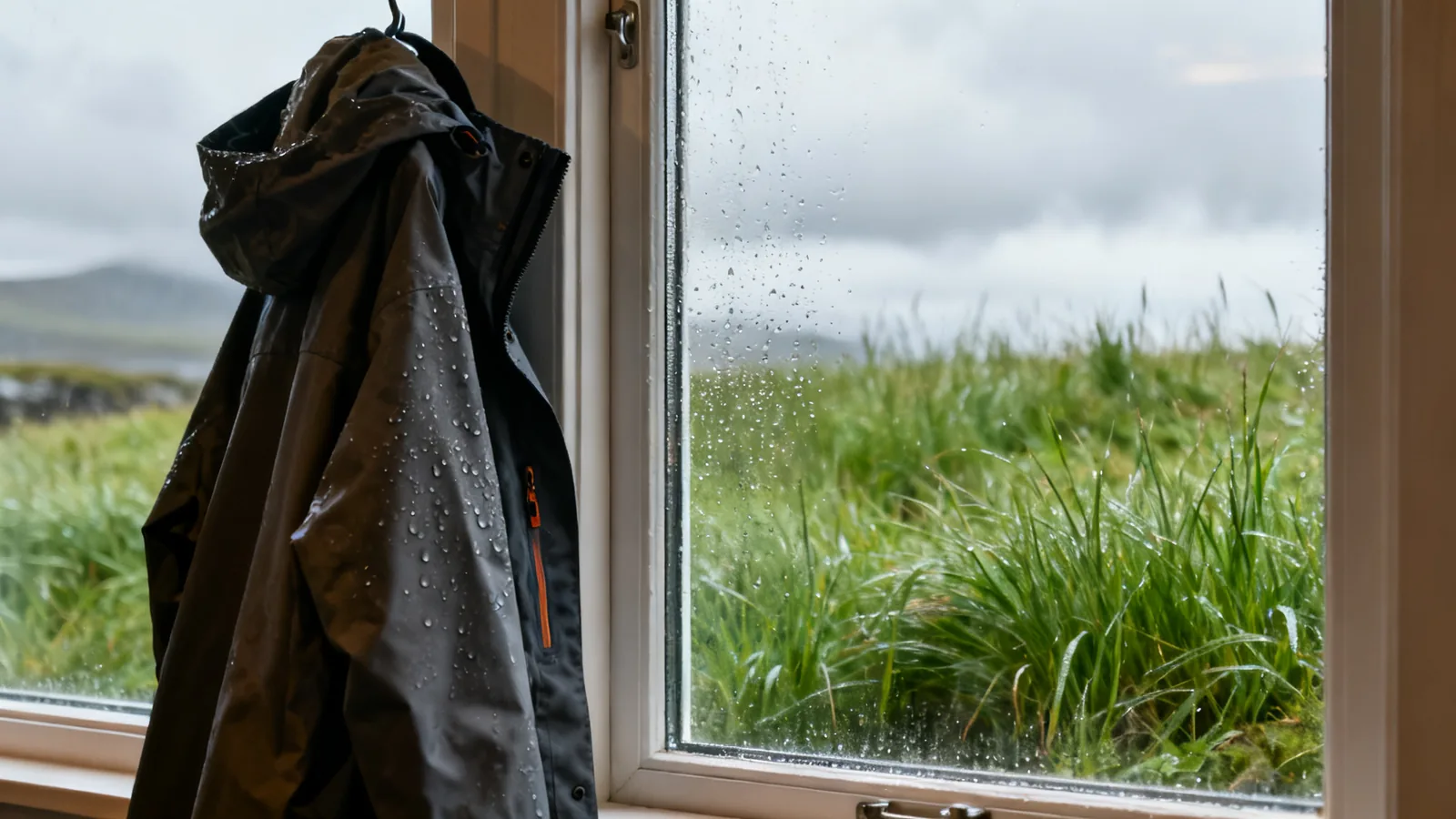
Thingvellir National Park Weather: Conditions and Seasons
Use official weather, road and park notices for a Thingvellir visit. Separate seasonal climate context from current forecasts and activity decisions.
Check Thingvellir National Park weather with a current forecast. Roads and paths need separate checks. A seasonal average cannot tell you whether the marked route is usable today. Start with the Icelandic Met Office. Then read park notices and road information for your actual journey.
TL;DR: Check the location and time on the official forecast, read current alerts and match the trip to road conditions. Pack layers and rain protection for the walk. A forecast, an open path and an operator's departure are three different checks.
Last fact checked: 14 October 2026. The links below lead to changing official information. This page does not display a live forecast or promise conditions for a future date.
Current Thingvellir National Park weather sources
Use the Icelandic Met Office station forecast. Choose the place and period you intend to visit. Check the date and validity of the forecast. A saved image from an earlier day can look current. It may show a different period.
Read the official alerts as a separate task. Open the detail for the affected area and time. A broad map colour needs its own explanation. Do not use a headline for another region as the whole account of your park journey.
For driving, use Umferðin for current road information. The weather forecast describes the atmosphere; the road service describes the route. Both matter if your plan depends on reaching a fixed meeting time at the park.
SafeTravel is run by Iceland's search-and-rescue association. It provides travel notices and planning information. Check it near the journey, rather than treat a general visitor article as the day's final instruction.
Thingvellir National Park weather and seasonal evidence
The Met Office's general climate account explains Iceland's changeable weather. It describes the contact between mild Atlantic air and colder Arctic air. It also notes that summer can be cloudy and cool, while winter brings long nights and storms. This is national climate context, not a park-specific monthly forecast.
Use that context to choose a flexible packing plan. Do not turn the word summer into a warm-day promise. Do not assume winter means one unchanging snow surface either. The current forecast and local notices still control the practical visit.
No park monthly temperature table is supplied here. A climate figure needs a named station and time period. Its source matters too. A coastal-city average is not an exact record for the park. Use the official climate sources if monthly data is central to your travel choice.
Seasonal planning is most useful when linked to the task. A short land walk, a booked water activity and a long road day have different needs. Choose the visit first, then check the period and current information that affect it.
Wind, rain and clothing
The Met Office's tourist advice names wind protection and rainwear for summer. It calls for warm layers too. Warm clothing matters in winter as well. Use that as a starting point. Adjust the packing plan to the actual forecast and activity instructions.
Keep a warm layer and rain protection available during the walk. Do not leave the useful clothing in the car while taking only a camera to the assembly grounds. You need it for the return as well as the first viewpoint.
Use footwear that fits the route and current surfaces. A broad weather forecast does not assess the steps or footing for your party. Ask the park about a specific access need. A dry-looking photograph cannot answer that question for another day.
For Silfra, follow the actual operator's clothing list. The suit guide separates underlayers from the time on land. Outdoor air temperature does not make the park's cold-water activity an ordinary swim.
How conditions affect a visit
Give the visit one clear purpose. If the wider view is poor, you may get more from reading the assembly signs than from seeking a distant photo. Use the park overview to choose a route with room to change the plan.
Keep the return in view. A path that feels manageable at the start still has to fit the whole party on the way back. Weather can also affect a transport deadline. Leave time to reach the correct meeting point, rather than use every spare minute for another stop.
For the waterfall, the Oxararfoss guide links the official map and a dated example of path problems. The example shows that weather can affect routes. It does not establish a live closure for your date.
If you book an activity, read the operator's latest message. Its departure decision and change terms are separate from a public forecast. Ask what applies if the plan changes. Do not assume a clear sky guarantees a tour or that a weather concern creates a particular refund.
Weather versus access notices
A fair forecast does not reopen a closed path. Damage, works or a site restriction can affect access even when the weather looks good. Use the park's official website and current signs for those rules.
The reverse distinction matters too. An area may be open while the day's conditions do not suit your intended walk. “Open” is not a personal fit assessment. Choose the route for the actual group and conditions, with the current official advice in view.
Before setting out, check these separate points:
- Forecast: the correct location, time and latest issue.
- Alerts: the official detail for any area affecting your visit.
- Roads: the route from your actual starting place.
- Park: current notices for the path and facilities you want.
- Booking: the supplier's message and check-in requirements.
If staying overnight, compare the nearby hotel bases against the drive. A rural location can change the road leg. Check that connection rather than assume a property's name proves it is on the easiest route for the day.
Connect this visit with the next decision
Verdict on Thingvellir National Park weather
Use Thingvellir National Park weather information as one part of the visit decision. Read the latest forecast and alerts, then check roads and park access separately. Pack for the walk and its return. A focused plan with time to adapt serves the day better than a fixed list built around an older sunny picture.